
Backup power for self-reliant homes · Illinois and Texas

You stock the pantry. Stock up on power too.

Rooftop solar and a big home battery, installed with no purchase price. You pay for the solar power it makes, at a rate set in writing before you sign. When the grid goes down, your home switches over to the battery on its own.

See if your home qualifies → Takes ~30 seconds · No credit check to see if you qualify
Where's your home?
About 30 seconds · No credit check to see if you qualify
You're not wrong to plan for this

Planning for outages isn't paranoid. The grid's own planners are doing it too.

People who keep a full pantry and a woodpile used to get teased for it. Lately the official reports read a lot like their reasons.

A red barn and farmhouse beside a cornfield in northern Illinois

Illinois

  • Illinois' own energy agencies project power shortfalls in ComEd areas by 2029 and in Ameren areas by 2031. Older plants are retiring while demand keeps climbing. [1]
  • NERC, the national grid reliability watchdog, rates the grid serving central and southern Illinois as high risk starting in 2028. The grid serving northern Illinois follows in 2029. [2]
  • What the grid pays to make sure enough power plants are on standby hit a record in northern Illinois for 2027 to 2028. It's about 11.5 times the price from three years earlier. [1]

See recent outages near you: Cook, Will, McHenry, Peoria, Champaign or all Illinois counties.
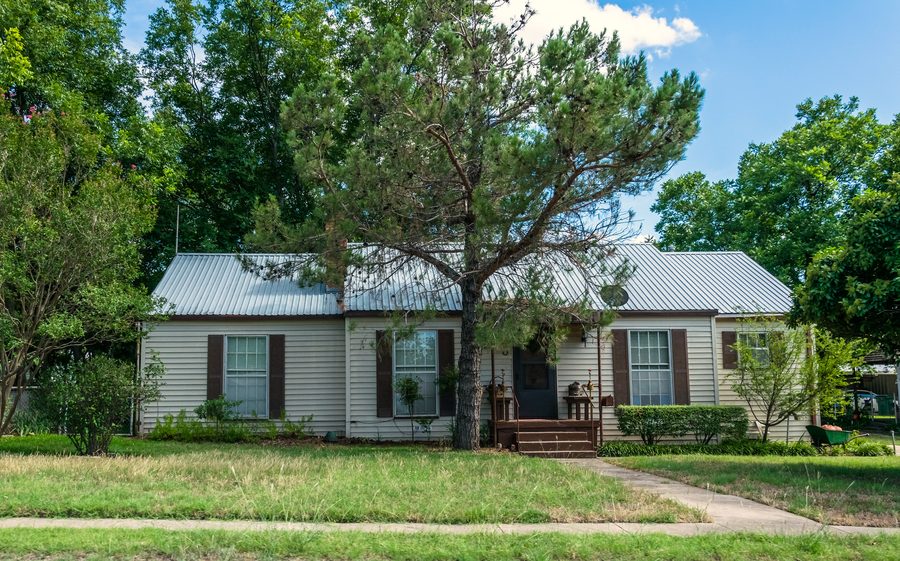
A small white farmhouse under a big oak tree in rural Texas

Texas

  • Winter Storm Uri in February 2021 cut power to more than 4.5 million Texas homes. [3] Among Texans who lost power, a University of Houston survey found the average outage lasted 42 hours. [4]
  • Hurricane Beryl knocked out power for 2.26 million CenterPoint customers in July 2024. [5]
  • NERC rates the Texas grid as elevated risk now, mostly in winter, and high risk starting in 2029. [2]

More on recent storms: Texas power outages and how to prepare.

Prep for the bad day

Be ready for the bad day. Help keep it further away.

Most days aren't the bad day. On those days your battery works with other home batteries to give the grid a little extra room when demand runs high. That steady help is what pays for your battery, and every home that joins adds a bit more strength to the grid we all share.

We think that's what preparing has always been about. You get ready for the worst day, and you do your part to push it further off.

Two women picking vegetables in a backyard garden
● Most days

Your battery helps hold the grid up.

Solar charges it. While the grid is up, some of the stored energy goes to supporting the grid, and that's what pays for the battery. The program keeps a reserve in the battery for your backup. Your house runs like normal.

Shelves of home-preserved food in glass jars
● Outage day

Your battery holds your home up.

The moment the grid drops, your home switches to the battery automatically. In daylight, solar keeps topping it up. How long it lasts depends on the battery's charge and what you run.

What you get

What goes in at your place.

A big battery

40 to 60 kWh of storage in Texas and 60 kWh in Illinois, mounted at your home.

Solar that refills it

Rooftop solar charges the battery every day, so it's ready when you need it.

No purchase price

The equipment and the install are part of the deal. There's no bill for either one.

Your rate in writing

You pay for the solar power your system makes, at a rate you see in writing before you sign. See the rates for Illinois and Texas.

Upkeep covered

The program owns, monitors and maintains the system. You never get a maintenance bill.

It switches over by itself

No pull cords and no fuel cans. When the power drops, your home moves to the battery on its own.

Good questions

Questions people ask.

It's set up not to. The program keeps a reserve in the battery for your backup, and solar recharges the battery every day. When the grid drops, your home switches to the battery automatically. As with any backup system, don't rely on it for life support or critical medical equipment without a dedicated backup plan.

It depends on the battery's charge and what you run. Central air drains a battery much faster than lights and a fridge. Your advisor goes over what you want to keep running and what your setup can cover. Our guide on how long a home battery lasts goes deeper.

Often, yes. In Illinois we serve homes on ComEd and Ameren. In Texas we serve homes in the CenterPoint, Oncor, AEP Texas and TNMP areas. Electric co-ops aren't part of the program right now. If you're on a city-owned utility, pick that in the quick check and we'll look into it for you.

No. The program works through the grid, so your home needs a utility connection. If you're off-grid, leave your info in the quick check anyway and we'll let you know if something opens up that fits.

Yes. The program covers the solar, the battery and the installation, and it owns and maintains the equipment. You pay for the solar power your system produces, at a rate set in writing before you sign. Your advisor walks you through every term in plain language first.

Ready when you are

Get your home ready before the next outage.

It's three quick questions and there's no obligation. Or book a video call with an advisor.

See if your home qualifies